What’s The 411 on Lancaster County Correctional Facility
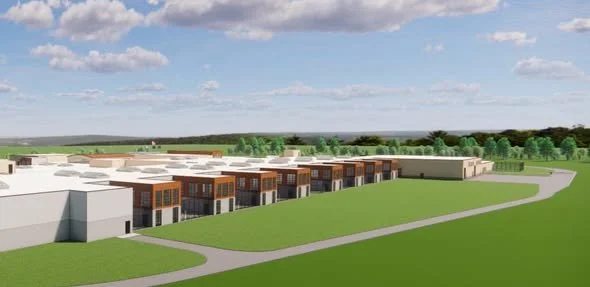
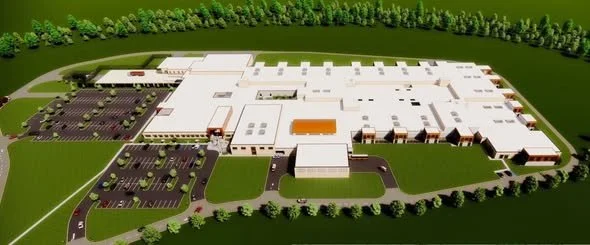
This week, Lancaster County Commissioners approved several add alternates for the proposed Lancaster County Correctional Facility, including additional medical beds, work release space, support clusters for programming, central booking, and dedicated on-site maintenance space.
Us at the Bail Fund have spent years advocating for people impacted by incarceration, we think it’s important to acknowledge that these additions are preferable to cutting programming, healthcare, and reentry opportunities. If Lancaster County is moving forward with this project, those investments matter.
But they do not answer the larger questions.
The proposed facility remains a project approaching half a billion dollars. At the same time, Lancaster County’s own data tells a complicated story about who is in our jail and why.
According to data highlighted through a Lancaster Bail fund partnership with the Prison Policy Initiative and the Vera Institute, Lancaster County experienced declining arrests, declining admissions, and a declining average daily population in recent years. The same data shows that nearly 70% of people in Lancaster County Prison were being held pretrial, meaning they had not been convicted of the charges keeping them incarcerated.
The data also revealed significant racial disparities. Black and Latino residents experienced substantially longer lengths of stay than their white counterparts. These disparities are not abstract. They translate into months and years of people’s lives spent behind bars while awaiting outcomes in the justice system.
The county has repeatedly described this facility as modern, rehabilitative, and wellness-focused. Yet many advocates remain concerned about design choices that prioritize cost savings over human-centered conditions.
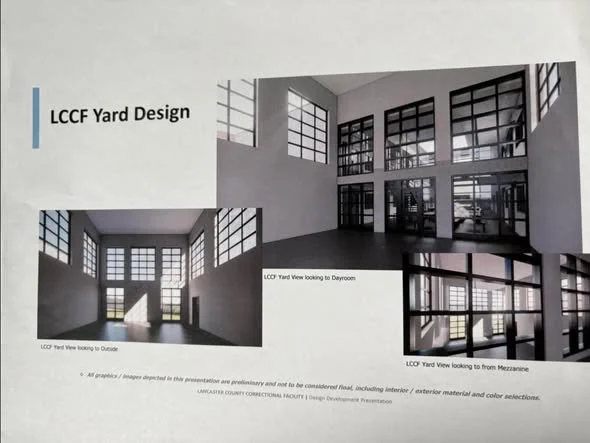
Perhaps the most troubling aspect of the current design is the decision to move forward with housing units that do not include exterior windows in individual cells while relying primarily on skylights and common areas for access to natural light.
There are also concerns about the use of urban recreation yards. Having personally experienced Lancaster County Prison’s existing urban yards, I know they should not be confused with meaningful outdoor recreation. Concrete enclosures, black mold, spider webs, and limited connection to the natural world are not substitutes for intentional access to sunlight, fresh air, green space, and true outdoor activity.
If we are spending hundreds of millions of dollars to build a facility expected to serve Lancaster County for decades, we should be asking why we would recreate conditions we already know fall short.
There is a difference between value engineering a building and value engineering away the humanity of the people who will live inside it.
The Lancaster Bail Fund continues to believe that the safest communities are built through housing, healthcare, education, treatment, economic opportunity, and community support. While debates continue about the size and scope of this project, we will continue to advocate for transparency, accountability, and humane conditions for every person impacted by Lancaster County’s justice system.
The conversation is not over.
In many ways, it is only beginning.
Stay Blesed, Stay Safe, Stay Dangerous.